
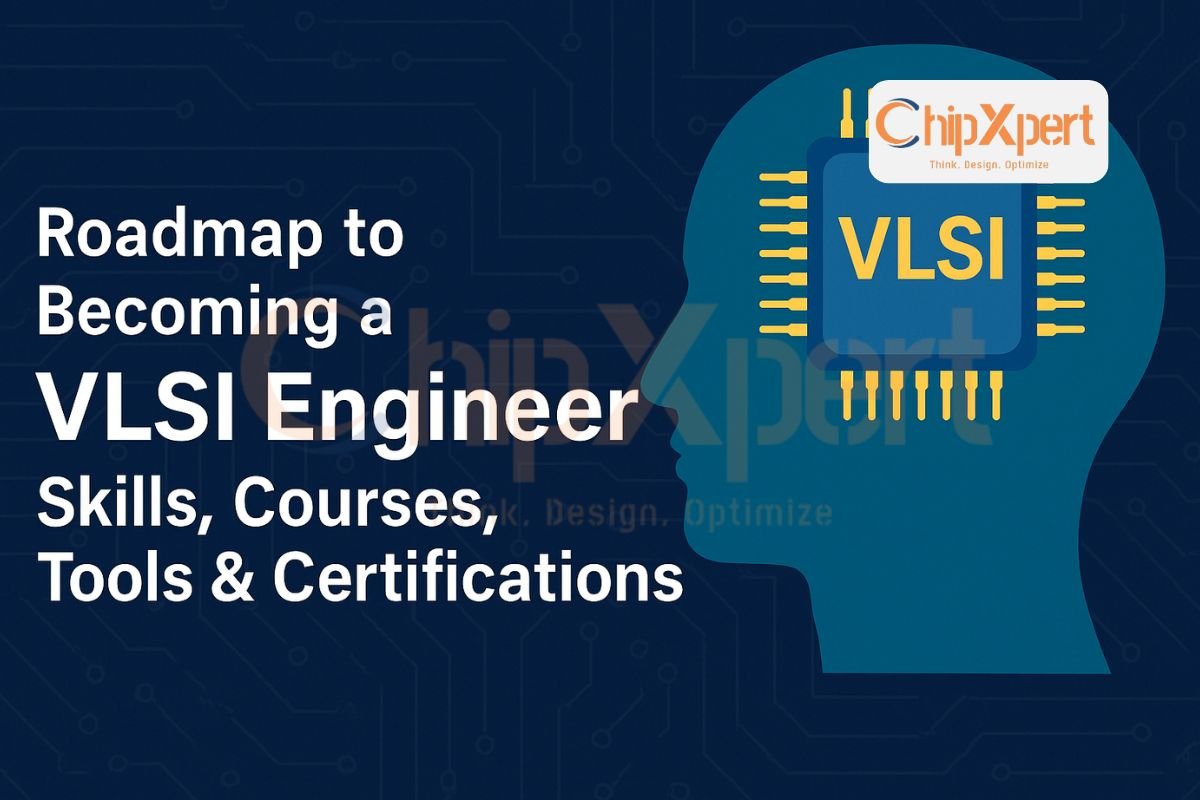
Becoming a VLSI Engineer is one of the most rewarding career choices for students and professionals in the electronics domain. As chip design continues to grow globally, the demand for strong VLSI skills has increased across industries. Whether you are a beginner or transitioning from another field, understanding the correct roadmap, tools, and vlsi certification options will give you a solid competitive edge.
This guide will help you understand every step clearly so you can build a powerful and future-ready VLSI career.
What Does a VLSI Engineer Do?
A VLSI Engineer works on designing, verifying, testing, and implementing integrated circuits (ICs) that power modern electronics. These chips are used in smartphones, laptops, cars, medical devices, and IoT products.
The role requires both theoretical knowledge and practical VLSI skills, especially hands-on experience with industry tools.
Essential VLSI Skills You Must Build
To start your VLSI journey, you need strong foundational and practical skills. Key VLSI skills include:
- Digital Electronics
- CMOS Fundamentals
- HDL Languages (Verilog, SystemVerilog, VHDL)
- Logic Design & Timing Concepts
- STA, Synthesis & Floorplanning
- Simulation & Debugging
- Understanding of PnR (Place & Route)
- Scripting (TCL, Python, Shell)
These skills form the backbone of a successful VLSI Engineer career.
Roadmap to Becoming a VLSI Engineer
Here is a simple, clear path:
1. Build a Strong Electronics Foundation
Start with basics like Boolean Logic, Number Systems, CMOS Design, and Digital Circuits.
2. Learn Hardware Description Languages
Begin with Verilog or VHDL, then move to SystemVerilog for advanced verification.
3. Choose Your VLSI Specialization
You can select:
- Physical Design
- Design Verification
- Analog Layout
- RTL Design
- DFT (Design for Test)
Choose the domain that suits your interest and strengths.
4. Explore VLSI Tools
Hands-on knowledge of industry tools is crucial:
- Cadence: Virtuoso, Innovus, JasperGold
- Synopsys: VCS, DC, PrimeTime, ICC2
- Mentor: QuestaSim, Calibre
These tools help you work on real-time chip design and verification tasks.
5. Work on Mini Projects
Projects help you apply concepts and sharpen your VLSI skills. Some ideas include:
- Creating an ALU using Verilog
- FIFO design and verification
- SRAM/ROM modeling
- STA timing analysis mini-project
6. Complete a VLSI Certification
Taking a structured vlsi certification or advanced diploma can boost your chances during hiring. Certifications also prove your hands-on expertise to companies.
Best Courses to Become a VLSI Engineer
There are multiple ways to learn VLSI depending on your level and goals:
1. Online Certification Courses
These help beginners understand the fundamentals of VLSI design and verification.
2. Industry-Oriented VLSI Training
Advanced institutes provide:
- Practical labs
- Tool-based training
- Mentor support
- Placement assistance
3. University-Level VLSI Programs
Some universities have expanded their programs to include advanced semiconductor skills, making it easier for students to become job-ready.
Must-Know Tools for Every VLSI Engineer
Tools are the backbone of chip design. A VLSI Engineer must practice with:
- Simulation Tools (VCS, QuestaSim)
- Synthesis Tools (Design Compiler)
- STA Tools (PrimeTime)
- Physical Design Tools (Innovus, ICC2)
- DFT Tools (TetraMAX)
Hands-on tool experience increases your confidence and sharpens your VLSI skills.
Why VLSI Certification Matters
A vlsi certification proves your mastery over practical chip design techniques. It helps you:
- Gain structured knowledge
- Build job-ready expertise
- Improve hiring chances
- Stand out among other candidates
Companies value certified candidates because they require less training and can contribute faster.
Career Opportunities for a VLSI Engineer
As a VLSI Engineer, you can work in:
- Semiconductor Companies
- EDA Tool Development Firms
- IoT & Automotive Companies
- Consumer Electronics Brands
- Aerospace & Defense Technology
Popular job roles include:
- RTL Engineer
- Verification Engineer
- Physical Design Engineer
- Analog Layout Designer
- STA Engineer
- DFT Engineer
The demand for VLSI Engineers is at an all-time high, especially with India growing rapidly in the semiconductor sector.
Tips to Succeed as a VLSI Engineer
- Practice HDL coding regularly
- Solve industry projects
- Practice using real EDA tools
- Stay updated on semiconductor trends
- Join VLSI communities and forums
- Build a strong portfolio for hiring
With consistent practice and updated VLSI skills, you can secure high-growth roles in top semiconductor companies.
Conclusion: Your Journey to Becoming a Skilled VLSI Engineer
Becoming a VLSI Engineer is a powerful career choice with long-term growth, high salaries, and global opportunities. With the right VLSI skills, proper guidance, tool knowledge, and the right vlsi certification, you can build a strong future in the semiconductor industry.
Share your question in comments or talk to our mentor team for batch guidance.
Need Fee, Duration, or Demo Class Details?
Talk to our admin team for the latest batch plan and career guidance.
Contact Admin TeamAsk the Admin Team
Drop your basic question in comments: eligibility, prerequisites, tools, fee range, and placement support.
Our team reviews and responds regularly.